Articles
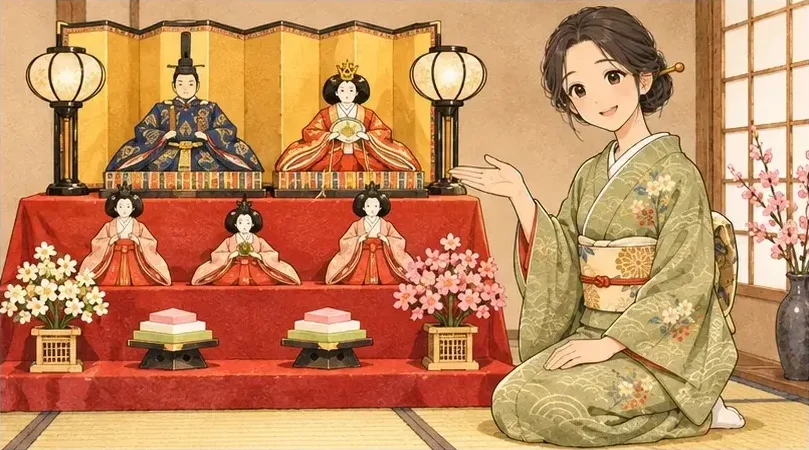
Hinamatsuri: Japan's Doll Festival and the Meaning of Hina Dolls
Every March 3, families in Japan display tiers of elegant dolls and wish for their daughters' health and happiness. Here's what Hinamatsuri means, who each doll is, and what people eat.
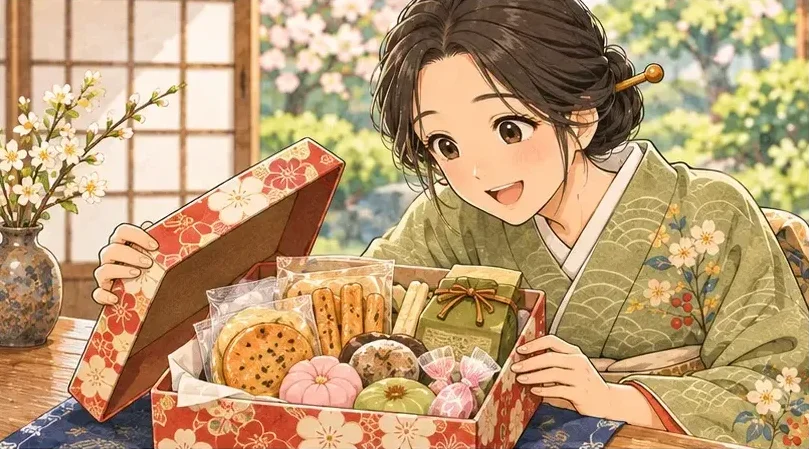
Japanese Snack Boxes Compared: What's Inside and Which to Pick
Bokksu, Sakuraco or TokyoTreat? A simple guide to what each Japanese snack box focuses on, who it suits, and what to check before you subscribe.
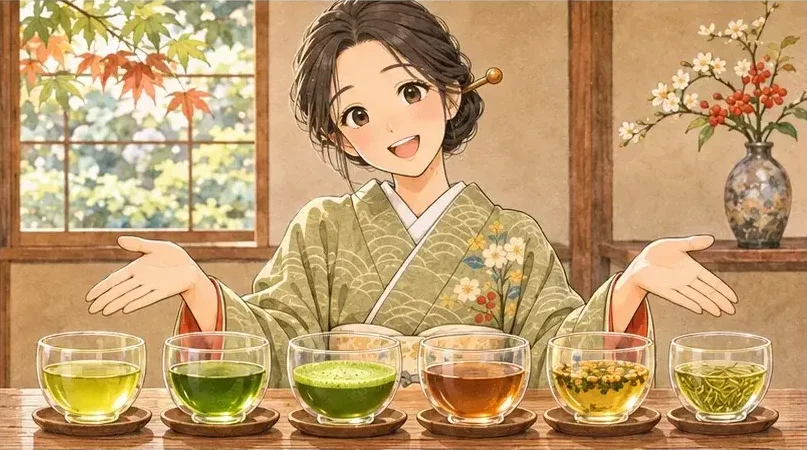
Japanese Tea Types Explained: Sencha, Gyokuro, Hojicha & More
A simple map of Japanese green teas — how each one is grown and made, what it tastes like, and how to brew it — so you know exactly which tea to buy next.
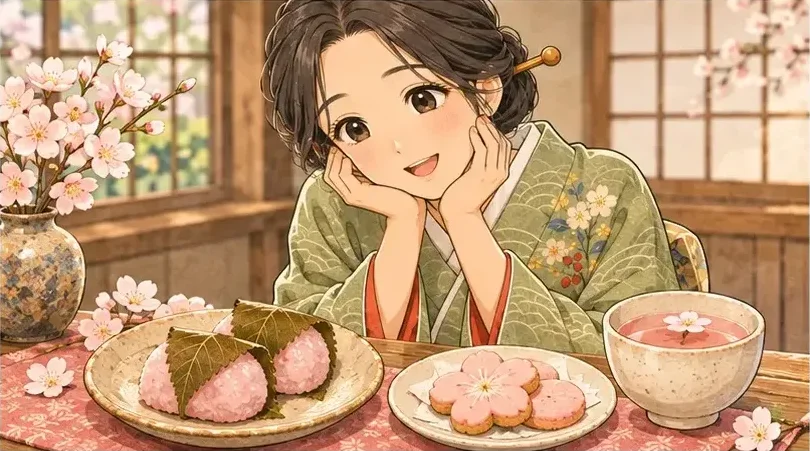
Sakura Season Treats: 12 Cherry Blossom Flavors to Try at Home
From sakura mochi to salted blossom tea, here are 12 pink treats Japan enjoys every spring — what they taste like, where they come from, and how to try them at home.
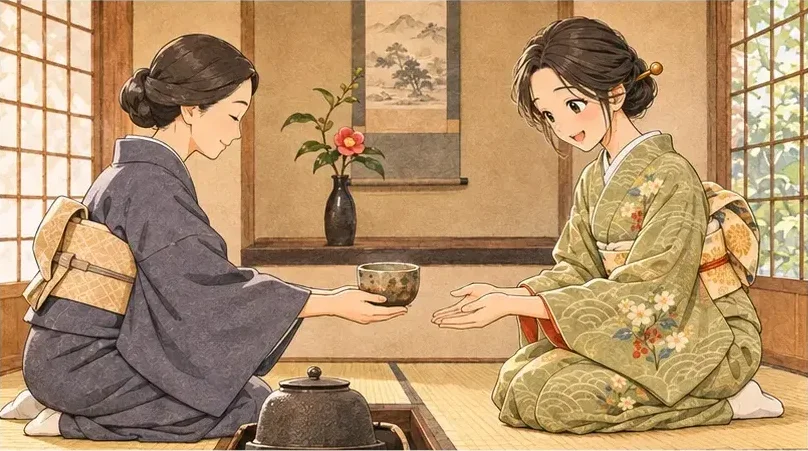
Tea Ceremony Experiences in Kyoto & Tokyo: What to Expect
Thinking of joining a Japanese tea ceremony on your trip? Here's what happens step by step, how to behave as a guest, what to wear, and how to choose a good experience.
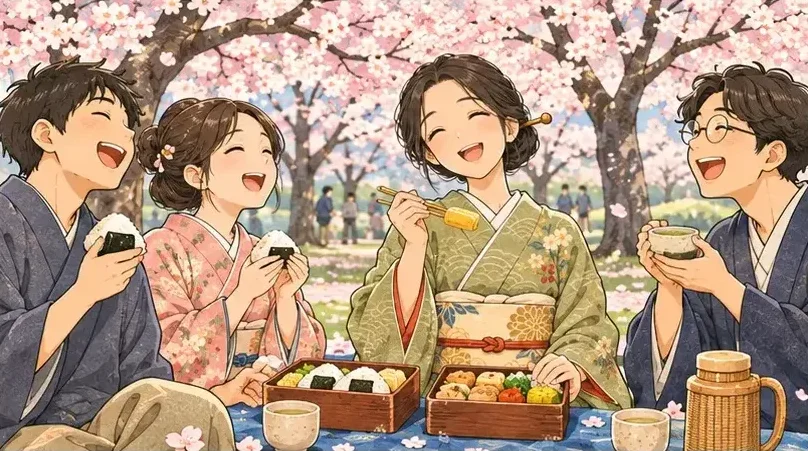
Hanami Guide: How Japanese People Celebrate Cherry Blossoms
Picnics under pink trees, lantern-lit night viewing and a nationwide blossom forecast. Here's what hanami is, when to go, the etiquette, and how to join in.
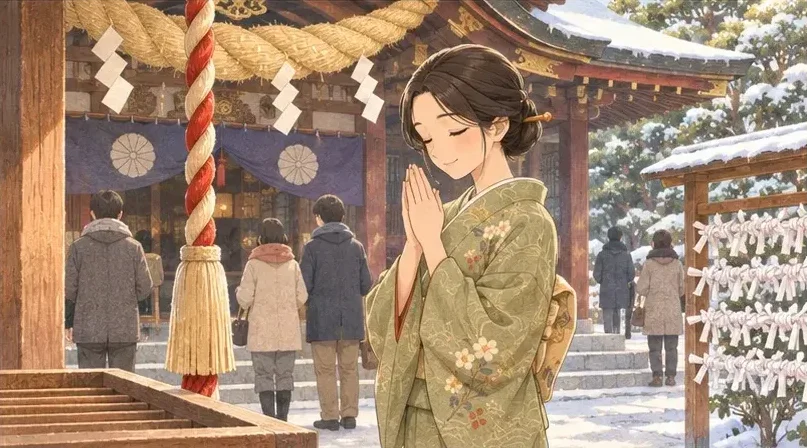
Hatsumode: Japan's First Shrine Visit of the Year (and How to Join In)
In the first days of January, millions of people in Japan visit a shrine or temple to pray for the year ahead. Here's how to visit, how to pray, and what omikuji, omamori and ema mean.
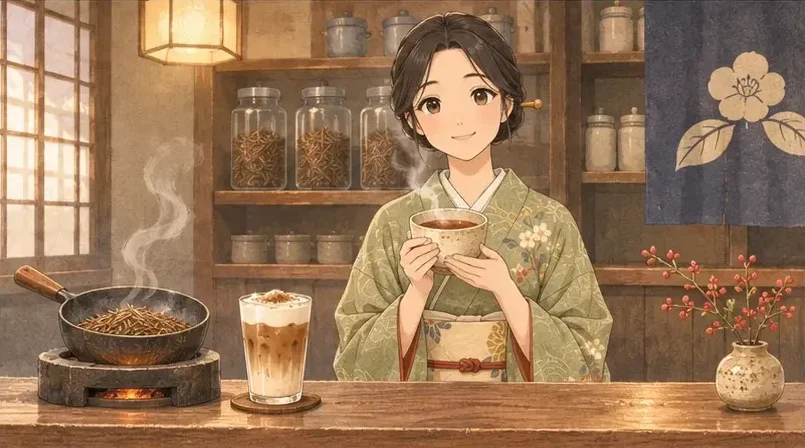
What Is Hojicha? Japan's Roasted Green Tea, Explained
Hojicha is green tea roasted until it turns reddish brown — toasty, smooth and low in bitterness. Here's how it's made, how it tastes, how to brew it and how to make a hojicha latte.
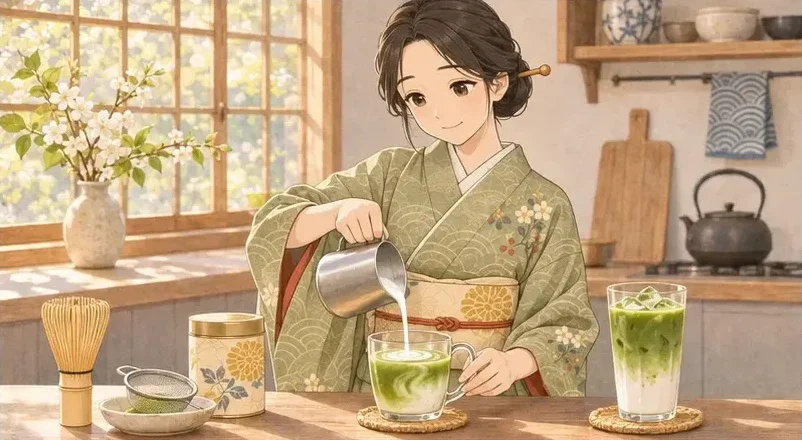
How to Make a Matcha Latte at Home (Hot and Iced)
A smooth, café-style matcha latte in five minutes — with the right matcha, the right water temperature, and tips to avoid clumps and bitterness. Hot, iced and dairy-free versions.
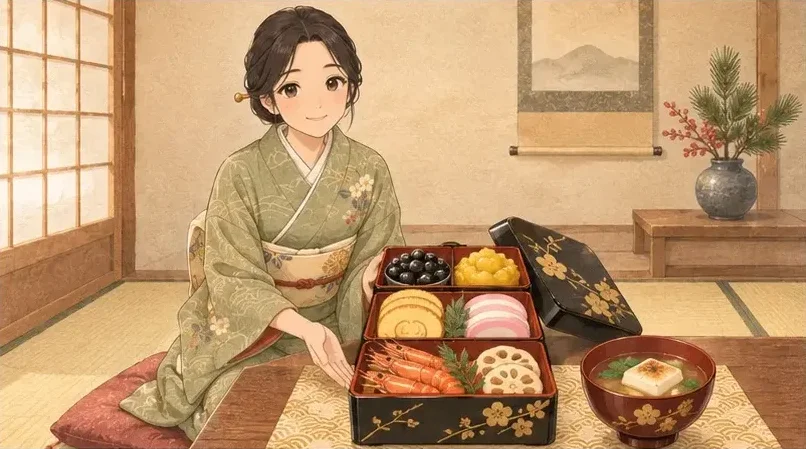
Osechi Ryori: Japanese New Year Food and the Meaning of Each Dish
Osechi is Japan's beautiful New Year feast, packed in lacquered boxes. Every dish carries a wish — health, wealth, happiness or a long life. Here's what's inside and what it all means.
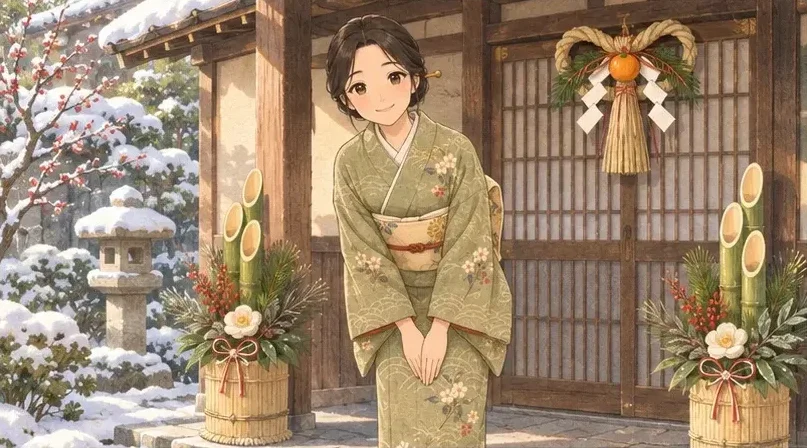
Oshogatsu: How Japan Celebrates the New Year
New Year is Japan's biggest holiday. From temple bells on New Year's Eve to the first shrine visit, special food and gifts for children, here's how Japanese families welcome the year.
Furoshiki: How to Wrap Gifts With a Japanese Cloth (Step by Step)
Furoshiki is a square Japanese cloth for wrapping gifts, bottles and books — and carrying them. Learn the basic wraps step by step, which size to buy and why it's back in style.
Japanese Kitchen Knives for Beginners: Santoku, Gyuto, Petty and More
Which Japanese knife should you buy first? A clear guide to santoku, gyuto, petty and nakiri knives, steel types, single vs double bevel, care and sharpening.
Japanese Gift Guide: Thoughtful Gifts From Japan for Every Budget
Tea, snacks, kitchen tools and everyday crafts from Japan — gift ideas for tea lovers, cooks, snack fans and anyone who loves Japan, plus how to wrap and ship them.
Kyusu Teapot & Japanese Teacups: A Buying Guide for Green Tea Lovers
How to choose a Japanese kyusu teapot — handle style, size, filter type and clay (Tokoname, Banko) — plus the right cups for sencha, gyokuro and everyday tea, and how to care for them.
Matcha Brands Worth Knowing: How to Compare Before You Buy
From historic Kyoto tea houses to organic brands made for lattes — an overview of well-known matcha brands, where their tea comes from, and a checklist to compare any matcha before you buy.
Valentine's Day and White Day in Japan: Who Gives Chocolate to Whom?
In Japan, women traditionally give chocolate on Valentine's Day and men return the favor on White Day, March 14. Here's how it works — giri-choco, honmei-choco, tomo-choco — and how the custom is changing.
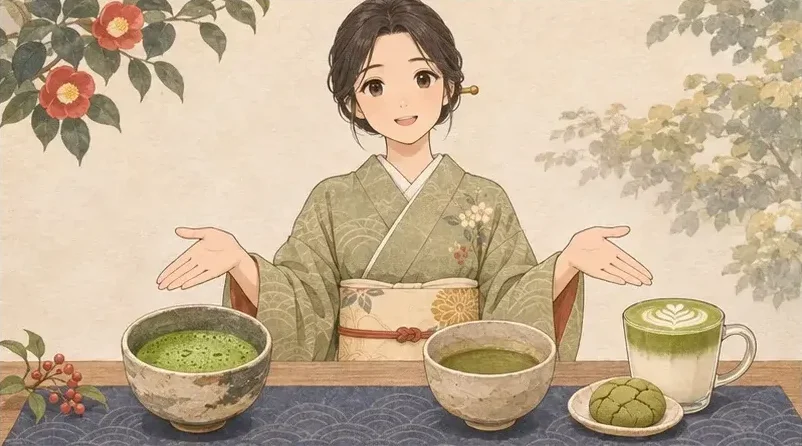
Ceremonial vs Culinary Matcha: Which Grade Should You Buy?
"Ceremonial" isn't an official grade. Here's what the labels really mean, how to judge matcha quality yourself, and which kind to buy for drinking, lattes or baking.
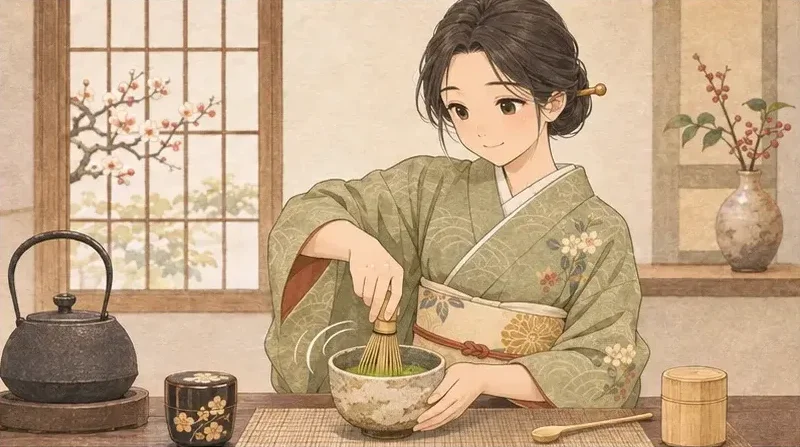
How to Make Matcha the Traditional Way: The Tools You Actually Need
A step-by-step guide to whisking a smooth, frothy bowl of matcha at home — which tools matter, which you can skip, and the mistakes that make matcha bitter.
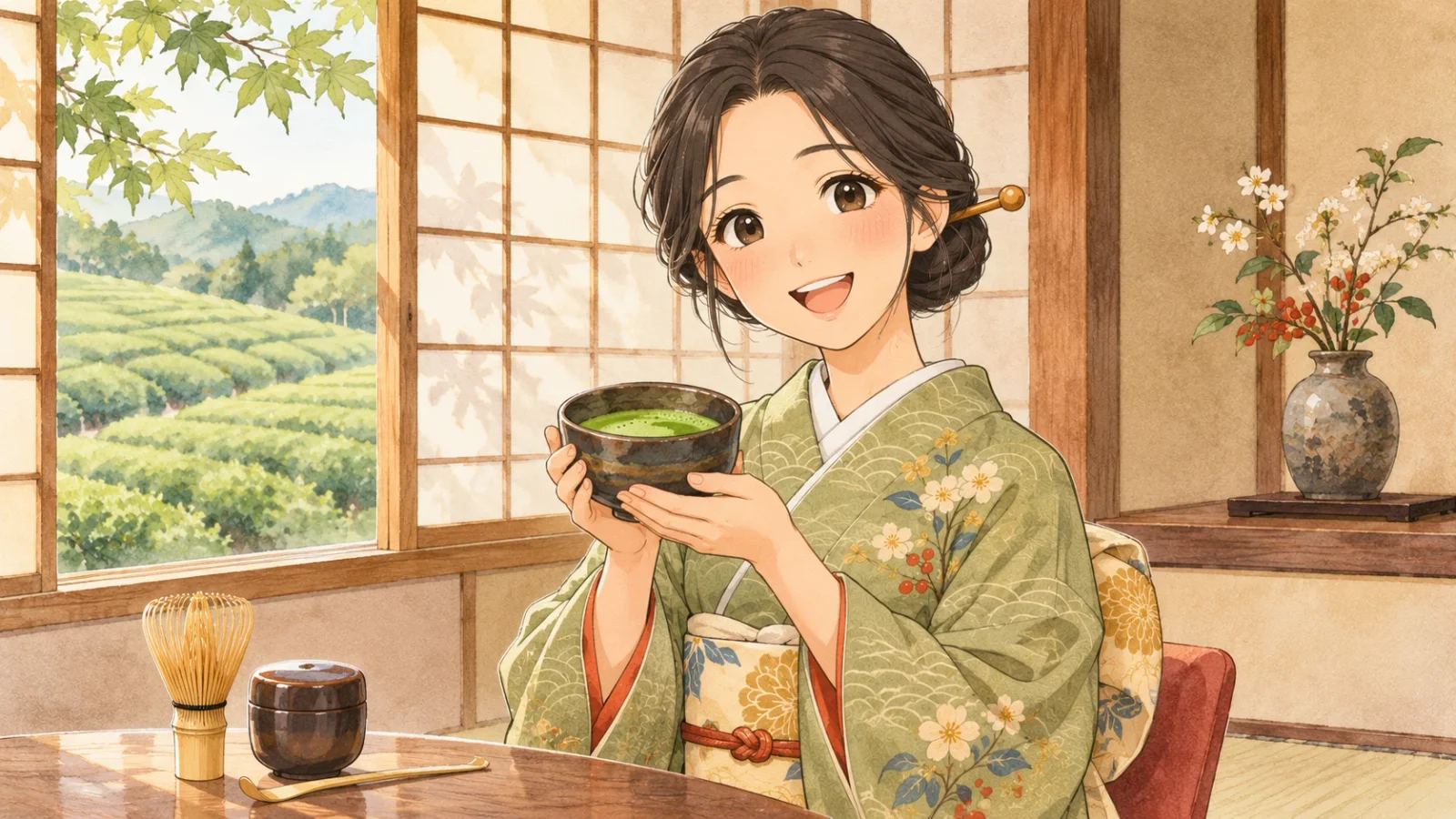
What Is Matcha? The Japanese Tea Ceremony Origins Explained
Matcha isn't just green tea powder. Here's how it's grown, why it's ground on stone, and how it became the heart of the Japanese tea ceremony.
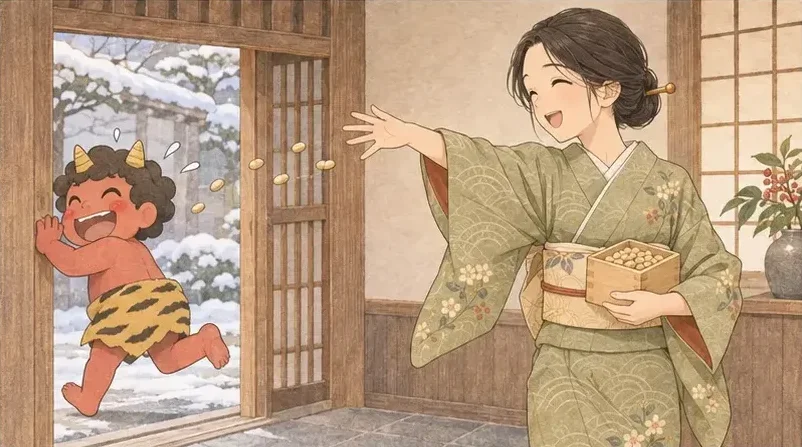
Setsubun: Why Japanese People Throw Beans at Demons Every February
Every early February, families in Japan throw roasted soybeans and shout "Demons out, luck in!" Here's what Setsubun means, how it's celebrated, and how to try it at home.