What Is Matcha? The Japanese Tea Ceremony Origins Explained
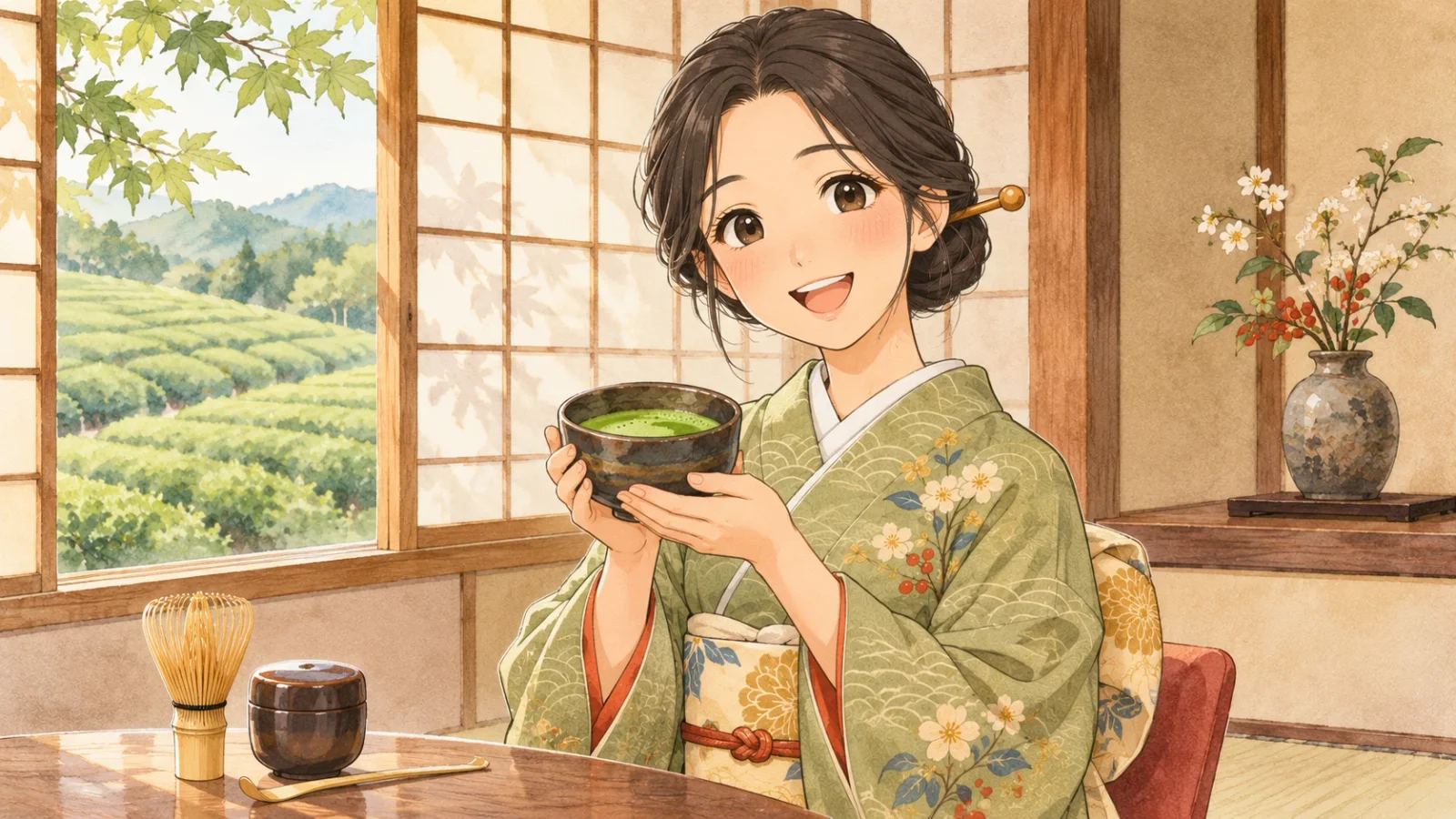
In short: Matcha is a powder made from shade-grown tea leaves that are steamed, dried and ground on stone. Unlike regular tea, you drink the whole leaf. That is why it tastes richer — and why it became the centre of Japan’s tea ceremony.
Koto asks: “Isn’t matcha just green tea?”
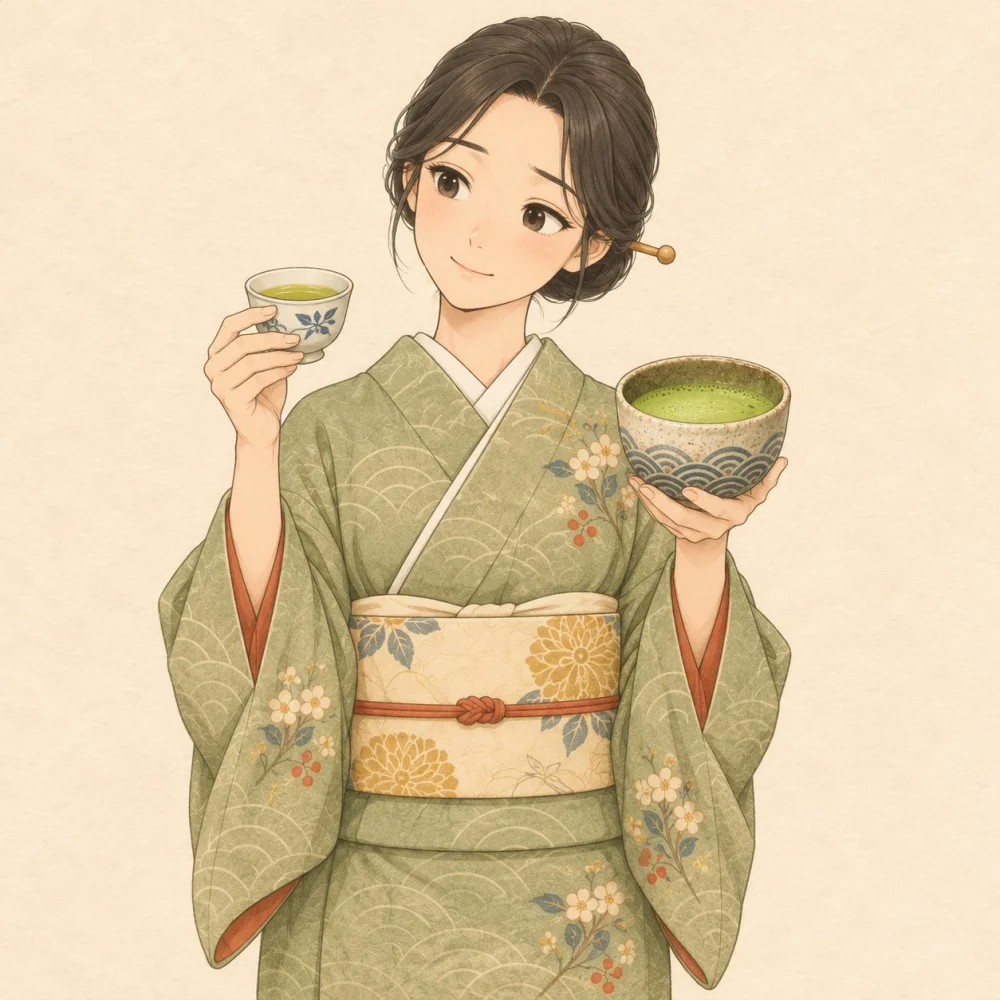
Not quite. Both come from the same plant, Camellia sinensis. The difference is in how the leaves are grown and processed.
| Sencha (everyday green tea) | Matcha | |
|---|---|---|
| Growing | Full sun | Shaded for several weeks before harvest |
| Processing | Steamed, rolled, dried | Steamed, dried flat, stems and veins removed |
| How you drink it | Leaves are steeped, then removed | Powder is whisked into water — you drink the leaf |
Step 1: Shade
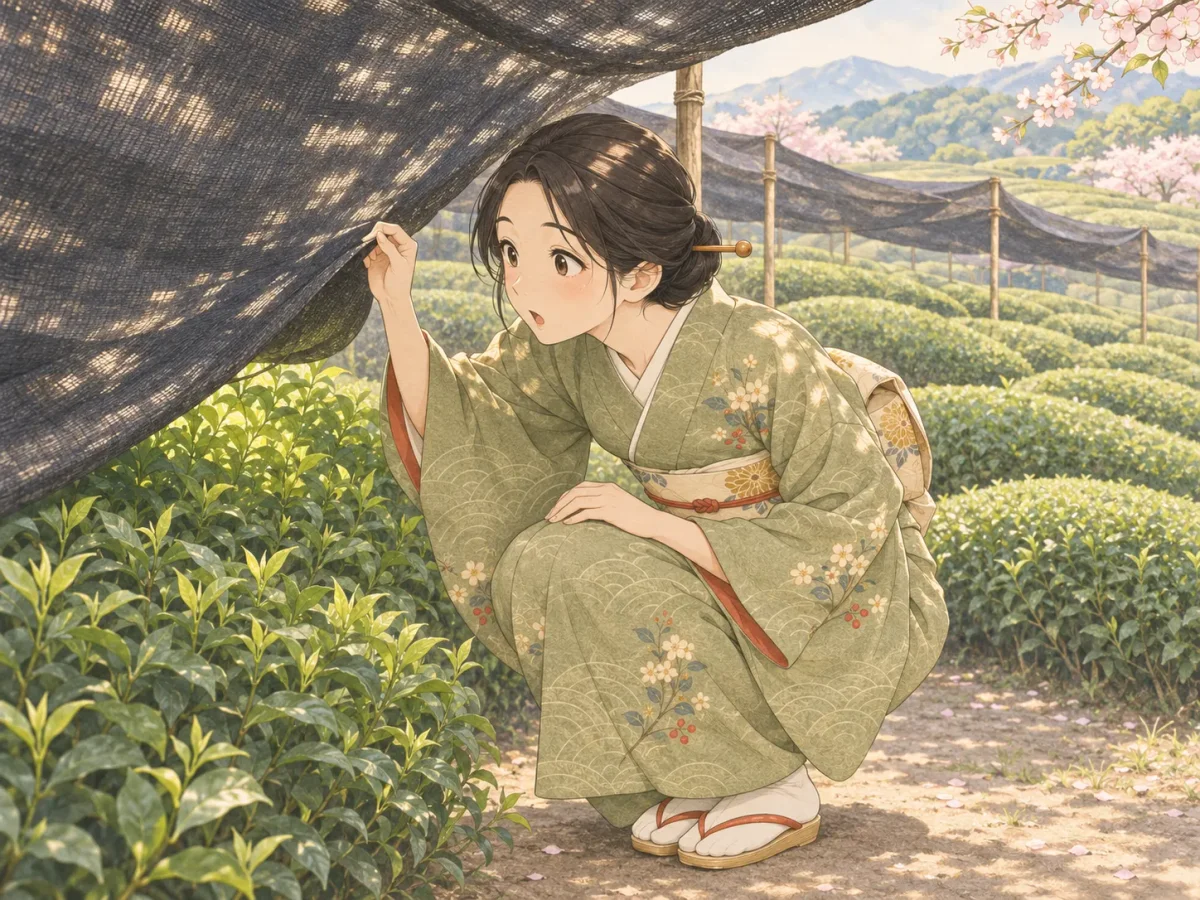
A few weeks before harvest, farmers cover the tea plants. With less sunlight, the leaves produce more chlorophyll and keep more of the amino acids that give matcha its sweet, savoury umami taste.
Step 2: Stone grinding
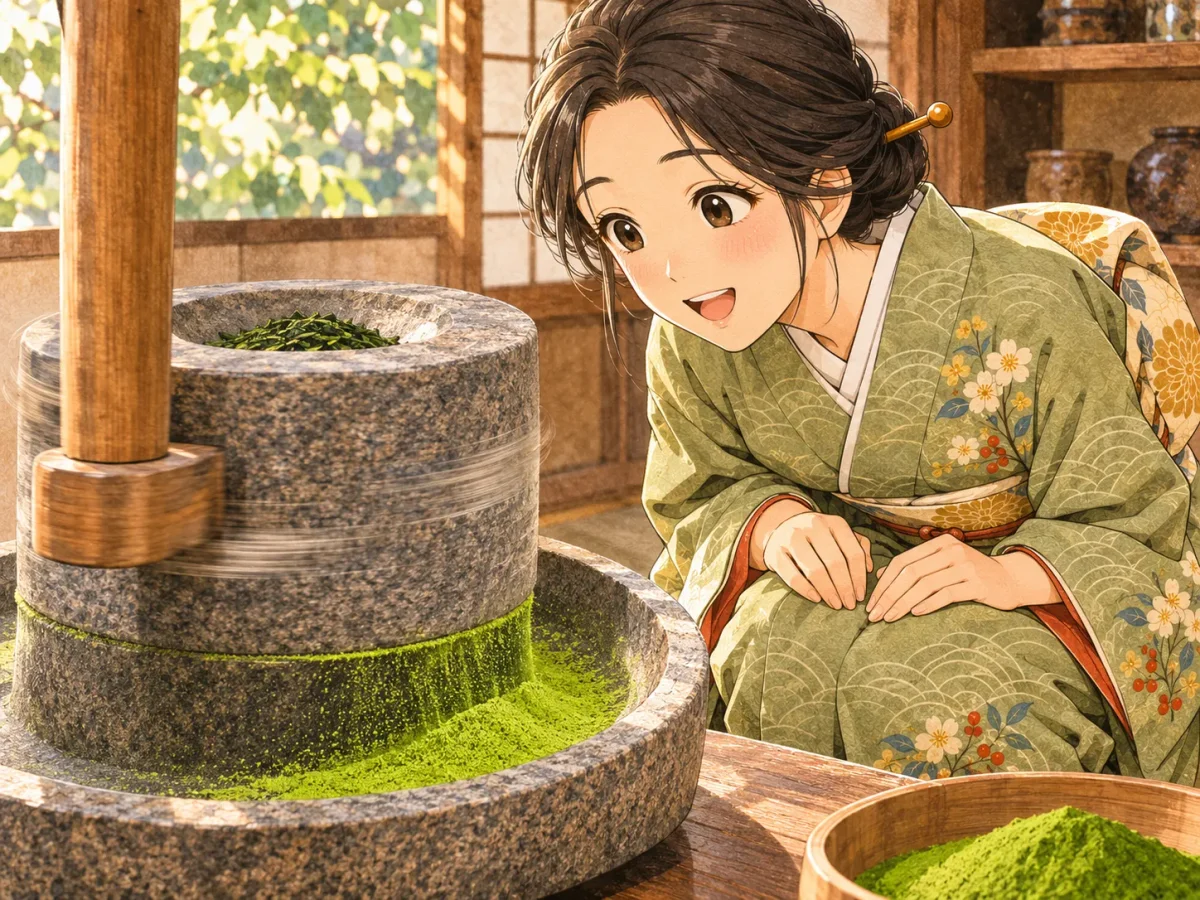
The dried leaves (called tencha) are ground into a very fine powder. Traditional granite mills turn slowly so the tea doesn’t heat up and lose its aroma.
How matcha became a ceremony
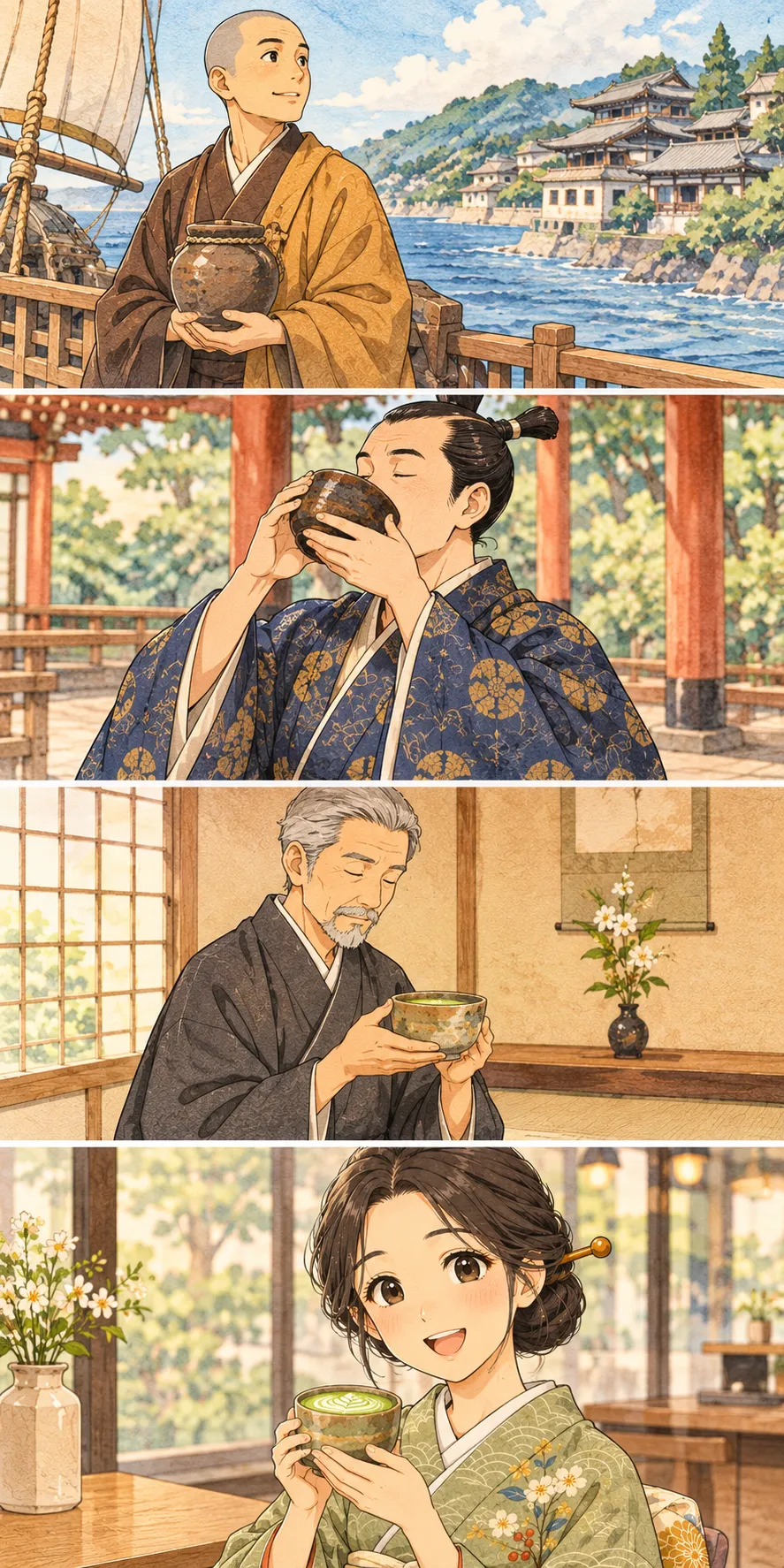
Powdered tea came to Japan from China with Zen Buddhist monks in the late 12th century. Over the following centuries it moved from temples to the warrior class, and in the 16th century tea masters such as Sen no Rikyū shaped the quiet, simple style of tea gathering we know today.
The tea ceremony (chanoyu, “hot water for tea”) is not really about the drink. It’s about hosting: every movement, utensil and flower is chosen to make one moment special for the guest.
How people in Japan enjoy matcha today
- A bowl of usucha (thin tea) with a seasonal sweet
- Matcha lattes and desserts in cafés
- A quiet morning ritual at home
Matcha vs “green tea powder”
Not every green powder is matcha. In Japan, matcha means tea made from shaded tencha leaves, with stems and veins removed, ground very finely — often on stone mills. Cheaper products labeled “green tea powder” or “instant green tea” may be made from ordinary sencha leaves ground into powder. They’re fine for cooking, but they taste flatter and more bitter, and they don’t whisk into the same smooth foam.
How to tell: real matcha is vivid green, silky to the touch, and smells sweet and grassy. Look for the words matcha, a named region in Japan, and ideally the harvest.
Where matcha comes from
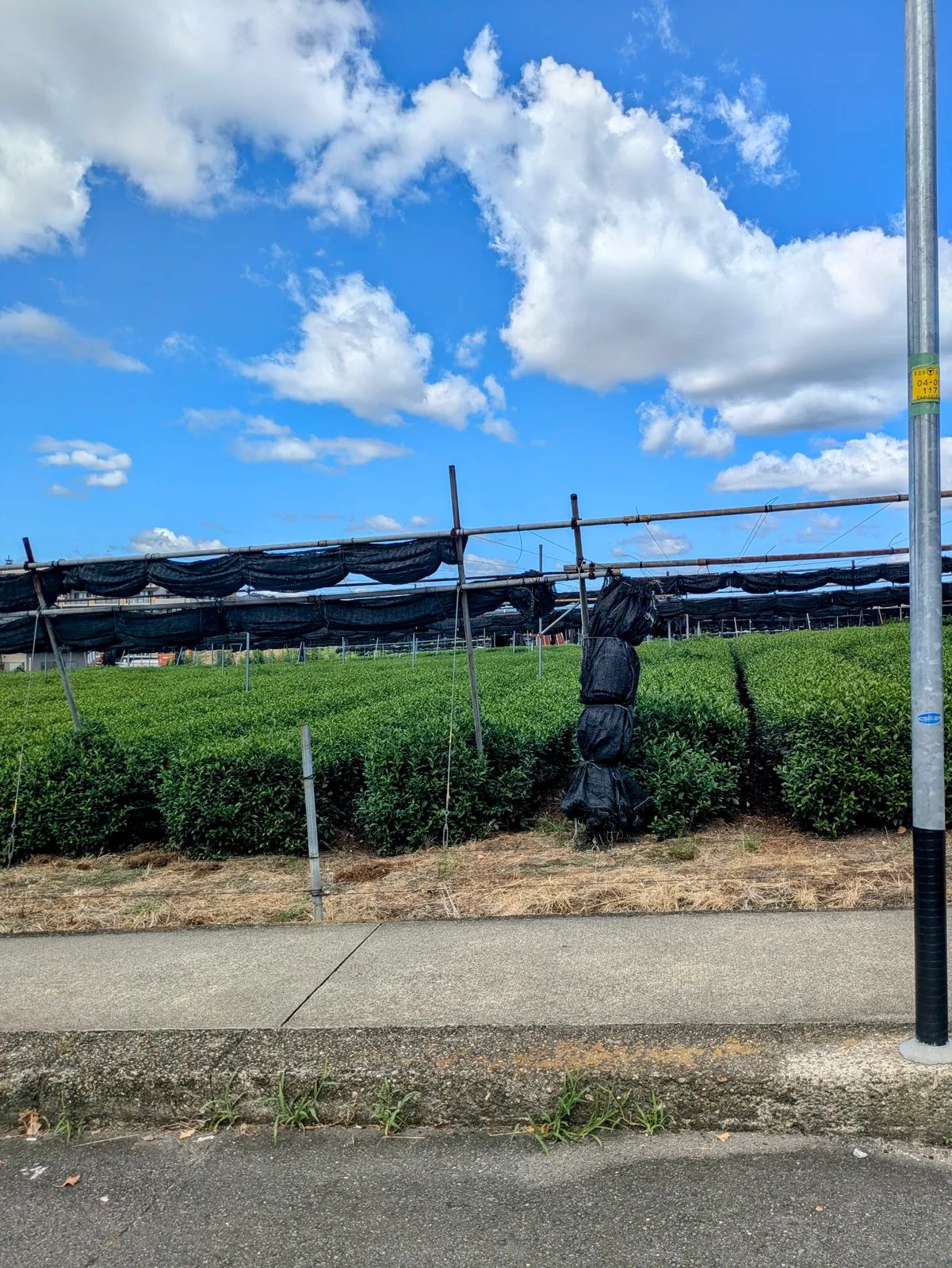
Matcha is grown in several parts of Japan. The best known are:
- Uji (Kyoto): the historic heart of matcha, with centuries of tea-making tradition
- Nishio (Aichi): one of the largest matcha-producing areas, famous for tencha
- Kagoshima and Fukuoka (Yame): in the warm south, growing a lot of high-quality shaded tea
Region isn’t everything — the farm, the cultivar, the harvest and how carefully the tea is ground all matter — but a clearly named origin is a good sign.
Thin tea and thick tea
In the tea ceremony, matcha is prepared two ways:
| Usucha (薄茶) — thin tea | Koicha (濃茶) — thick tea | |
|---|---|---|
| Matcha | About 2 g | About 4 g or more |
| Water | About 60–70 ml | About 30–40 ml |
| Method | Whisked quickly into a light foam | Kneaded slowly into a thick, glossy paste |
| Matcha grade | Good drinking grade | Only the very best grades |
At home and in most visitor experiences, you’ll drink usucha. Learn the steps in How to Make Matcha the Traditional Way.
Five ways to enjoy matcha
- Straight, whisked with water — the traditional way, with a small sweet on the side
- Matcha latte — hot or iced; see How to Make a Matcha Latte at Home
- In sweets — ice cream, cookies, cake and chocolate
- Sprinkled — over yogurt, or mixed with salt for tempura
- Cold-shaken — shake matcha with cold water in a jar for a refreshing summer drink
Koto’s tip: Matcha loses its color and aroma quickly once opened. Buy small tins, keep them sealed in the fridge, and finish them within a few weeks.
FAQ
Does matcha have caffeine? Yes. Because you drink the whole leaf, a bowl of matcha usually has more caffeine than a cup of steeped green tea — though the amount depends on the grade and how much powder you use. If you’re sensitive to caffeine, roasted hojicha is a gentler choice.
What’s the difference between ceremonial and culinary matcha? “Ceremonial” usually means a higher grade meant for drinking straight; “culinary” is for lattes and baking. These are marketing terms, not official grades. See Ceremonial vs Culinary Matcha.
Do I need special tools? A bamboo whisk (chasen) makes it much easier to get a smooth froth. See How to Make Matcha the Traditional Way.
Our picks
Ceremonial-grade matcha (starter tin)
A bright, smooth matcha that's easy to whisk — a good first tin for drinking straight.
Best for: First-timers who want to try matcha the traditional way
View at Jade Leaf Matcha →Single-origin matcha from a Japanese farm
Shipped from Japan, with the farm and region named — great if you want to taste the difference terroir makes.
Best for: Curious drinkers ready to compare regions
View at Yunomi →