Japanese Snack Boxes Compared: What's Inside and Which to Pick
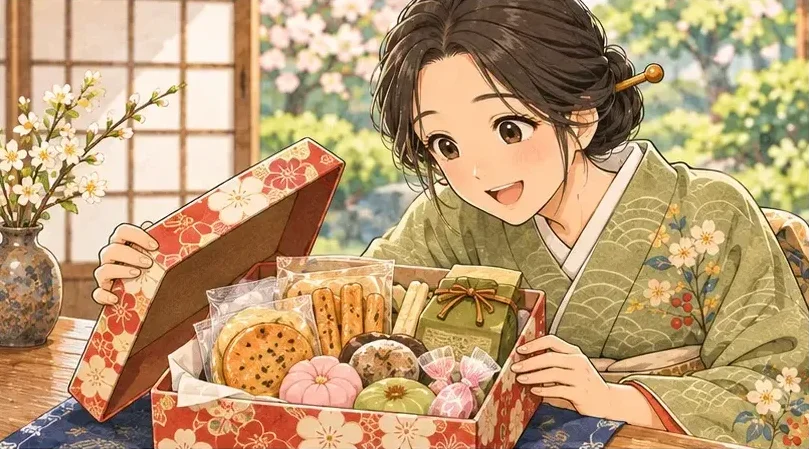
In short: Japanese snack boxes deliver a monthly selection of snacks from Japan to your door. The big difference between them is what kind of Japan they show you: traditional sweets and tea, or the latest convenience-store hits. Pick by taste, not by the number of items.
Why snacks are a great window into Japan
Japanese snacks change with the seasons. In spring you’ll find cherry blossom flavors, in summer refreshing citrus and soda, in autumn sweet potato and chestnut, and in winter rich chocolate and strawberry. Many are regional too: each prefecture has its own specialties, often sold as souvenirs (omiyage).
A snack box is an easy way to taste this variety without traveling — and each item usually comes with a short story about where it’s from.
The three best-known boxes at a glance
| Bokksu | Sakuraco | TokyoTreat | |
|---|---|---|---|
| Focus | Snacks from small, often family-run makers; themed by region or season | Traditional sweets and tea, plus a homeware item | Trendy, limited-edition and convenience-store snacks and drinks |
| Flavor style | Savory and sweet, traditional | Mostly sweet, wagashi and tea | Candy, chips, drinks, fun flavors |
| Extras | A booklet explaining the items | A homeware item (for example a small dish, chopsticks or a furoshiki cloth) and a culture guide | Seasonal and limited-edition items |
| Best for | Gifts, curious adults | Tea lovers, wagashi fans | Pop-culture and candy fans |
Box contents, prices and shipping fees change often, so check each site for the current details before subscribing.
Koto’s tip: Look at the past boxes on each website. They’re the best preview of what you’ll actually get — much more useful than the item count.
How to choose
1. Traditional or trendy?
- Love green tea, rice crackers and gentle sweets? Choose a traditional box like Bokksu or Sakuraco.
- Want the snacks people in Japan are talking about right now? Choose TokyoTreat.
2. Check dietary needs
Japanese snacks often contain wheat, soy, milk, egg, fish or shellfish (for example, seafood-flavored crackers). If you have allergies or follow a vegetarian or halal diet, read each company’s allergen policy, and check every label.
3. Compare the real cost
Look at the price per month including shipping, and how much you save with a 3-, 6- or 12-month plan. Longer plans are cheaper per box but harder to cancel.
4. Check the cancellation rules
Most boxes renew automatically. Note the date you need to cancel by to avoid the next charge.
5. Gift or for yourself?
For a gift, a single box or a short prepaid plan is usually best. Some companies also sell one-off boxes in their online shops.
What you might find inside
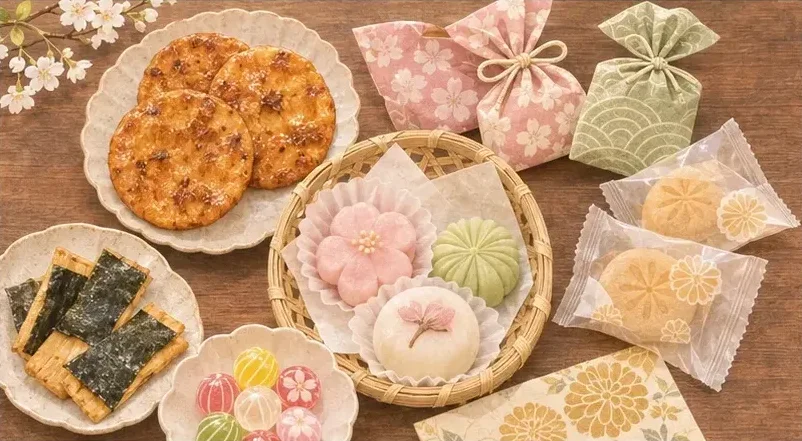
- Senbei and arare — crunchy rice crackers, from soy-glazed to seaweed-wrapped
- Wagashi — soft sweets made from rice and bean paste
- Seasonal Kit Kat-style chocolates in flavors like matcha or strawberry
- Regional chips — flavors like wasabi, soy butter or local seafood
- Candy and gummies with fruit flavors you rarely see abroad
- Tea — green tea, hojicha or a seasonal blend
Regional snacks: Japan’s omiyage culture
When people in Japan travel, they bring back omiyage (お土産) — edible souvenirs for family and coworkers. Every region has famous ones, which is why many snack boxes feature regional specialties:
- Hokkaido: butter cookies, milk chocolate, potato snacks
- Tokyo: elegant wrapped cakes and seasonal sweets
- Kyoto: yatsuhashi (cinnamon rice-flour sweets), matcha everything
- Okinawa: brown sugar, beni imo (purple sweet potato) tarts
- Hiroshima: momiji manjū, maple-leaf-shaped cakes
Snacks are usually individually wrapped, so they’re easy to share — a big part of Japanese gift culture.
Reading Japanese snack labels
Imported snacks usually come with an English sticker, but it helps to know a few words:
| Japanese | Reading | Meaning |
|---|---|---|
| 原材料名 | genzairyō-mei | Ingredients |
| 賞味期限 | shōmi kigen | Best-before date (quality) |
| 消費期限 | shōhi kigen | Use-by date (safety) — don’t eat after this |
| 小麦 / 卵 / 乳 | komugi / tamago / nyū | Wheat / egg / milk |
| えび / かに | ebi / kani | Shrimp / crab |
| 落花生 | rakkasei | Peanut |
Japanese packaging often shows allergens in a separate box near the ingredients. Dates are usually written year, month, day (for example, 27.03.15 = March 15, 2027).
Snack boxes as gifts
- Birthdays and holidays: a single box makes a fun, culture-filled gift.
- For tea lovers: choose a box that includes tea, or pair it with a tin of matcha.
- For families: individually wrapped snacks are easy to share with kids — check the allergen list first.
- For coworkers: a box of omiyage-style sweets is perfect for an office treat, Japanese style.
Koto’s tip: In Japan, people often say “Tsumaranai mono desu ga…” (“It’s nothing special, but…”) when giving a gift. It’s a polite, humble phrase — the gift is usually very nice!
Buying single snacks instead
If you don’t want a subscription, you can also buy Japanese snacks individually from Japanese grocery stores, Asian supermarkets and online shops. This is the best choice if you already know your favorites or need allergy-safe options.
FAQ
Are the snacks really from Japan? The well-known boxes source their snacks from Japan, but each company’s selection is different. Check their “about” page for how they choose makers.
Do snack boxes ship worldwide? Most ship to many countries, but not all. Check whether your country is supported and how long delivery takes.
What’s the difference between a snack box and buying snacks online? A box is curated and changes every month, so you discover things you wouldn’t have picked. Buying directly is better if you already know what you want.
Related
- Sakura Season Treats: 12 Cherry Blossom Flavors
- Ceremonial vs Culinary Matcha
- Setsubun — the bean-throwing festival with its own seasonal snacks
Our picks
Bokksu
Snacks and tea from small Japanese makers, usually built around a theme or region, with notes explaining each item.
Best for: Curious adults and gift-givers who like traditional flavors
View at Bokksu →Sakuraco
Traditional Japanese sweets and tea, often with a small piece of Japanese tableware or homeware.
Best for: People who love wagashi, tea time and Japanese home goods
View at Sakuraco →TokyoTreat
Trendy, limited-edition and convenience-store snacks and drinks — the fun stuff people line up for in Japan.
Best for: Fans of pop culture, candy and new flavors
View at TokyoTreat →