Topic
Tea
Matcha, sencha, hojicha and the Japanese tea ceremony — how they are made, how to brew them, and how to choose good tea.
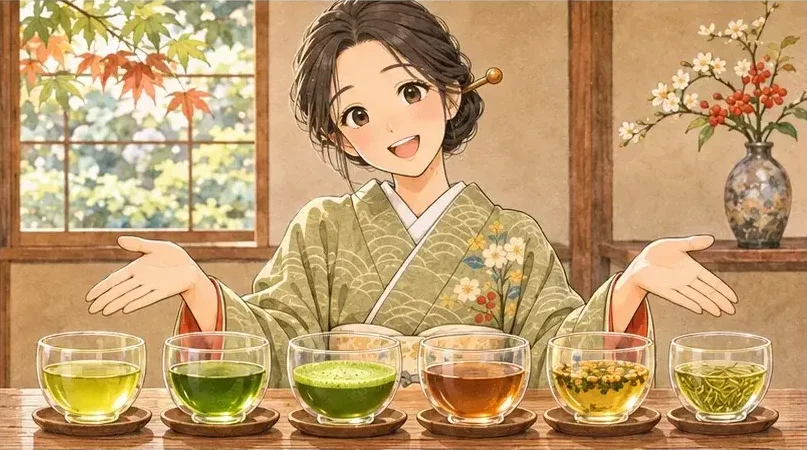
Japanese Tea Types Explained: Sencha, Gyokuro, Hojicha & More
A simple map of Japanese green teas — how each one is grown and made, what it tastes like, and how to brew it — so you know exactly which tea to buy next.
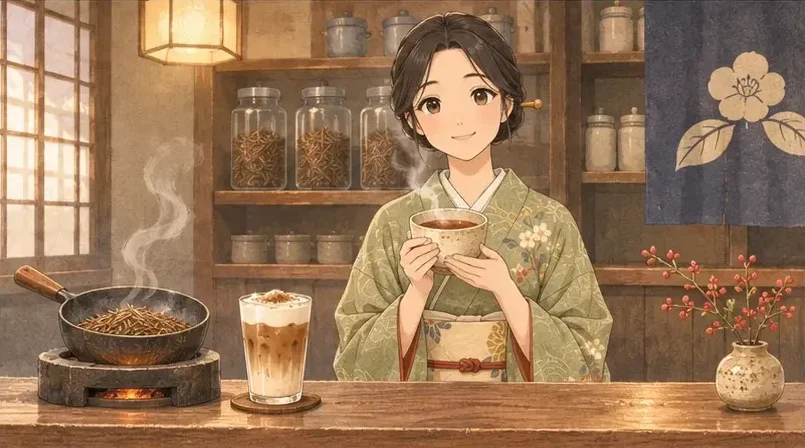
What Is Hojicha? Japan's Roasted Green Tea, Explained
Hojicha is green tea roasted until it turns reddish brown — toasty, smooth and low in bitterness. Here's how it's made, how it tastes, how to brew it and how to make a hojicha latte.
Matcha Brands Worth Knowing: How to Compare Before You Buy
From historic Kyoto tea houses to organic brands made for lattes — an overview of well-known matcha brands, where their tea comes from, and a checklist to compare any matcha before you buy.
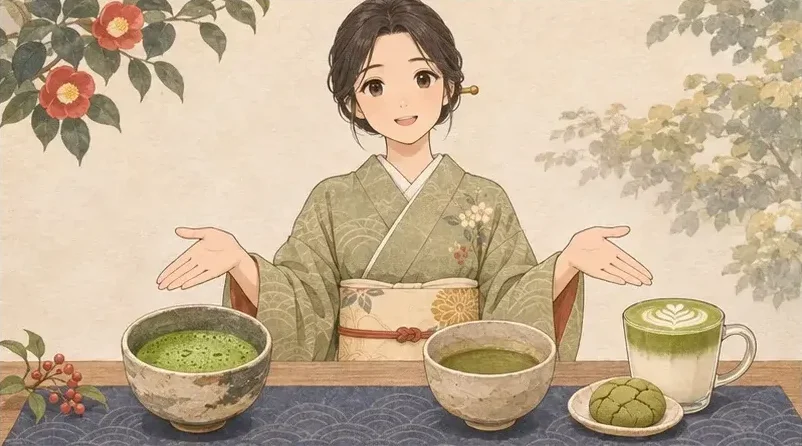
Ceremonial vs Culinary Matcha: Which Grade Should You Buy?
"Ceremonial" isn't an official grade. Here's what the labels really mean, how to judge matcha quality yourself, and which kind to buy for drinking, lattes or baking.
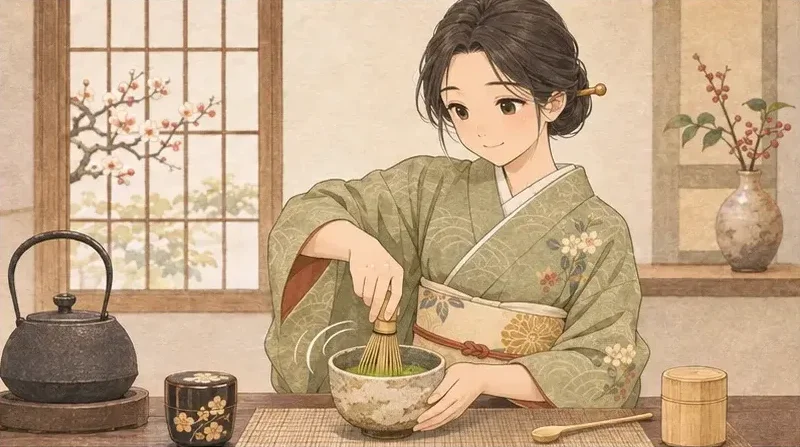
How to Make Matcha the Traditional Way: The Tools You Actually Need
A step-by-step guide to whisking a smooth, frothy bowl of matcha at home — which tools matter, which you can skip, and the mistakes that make matcha bitter.
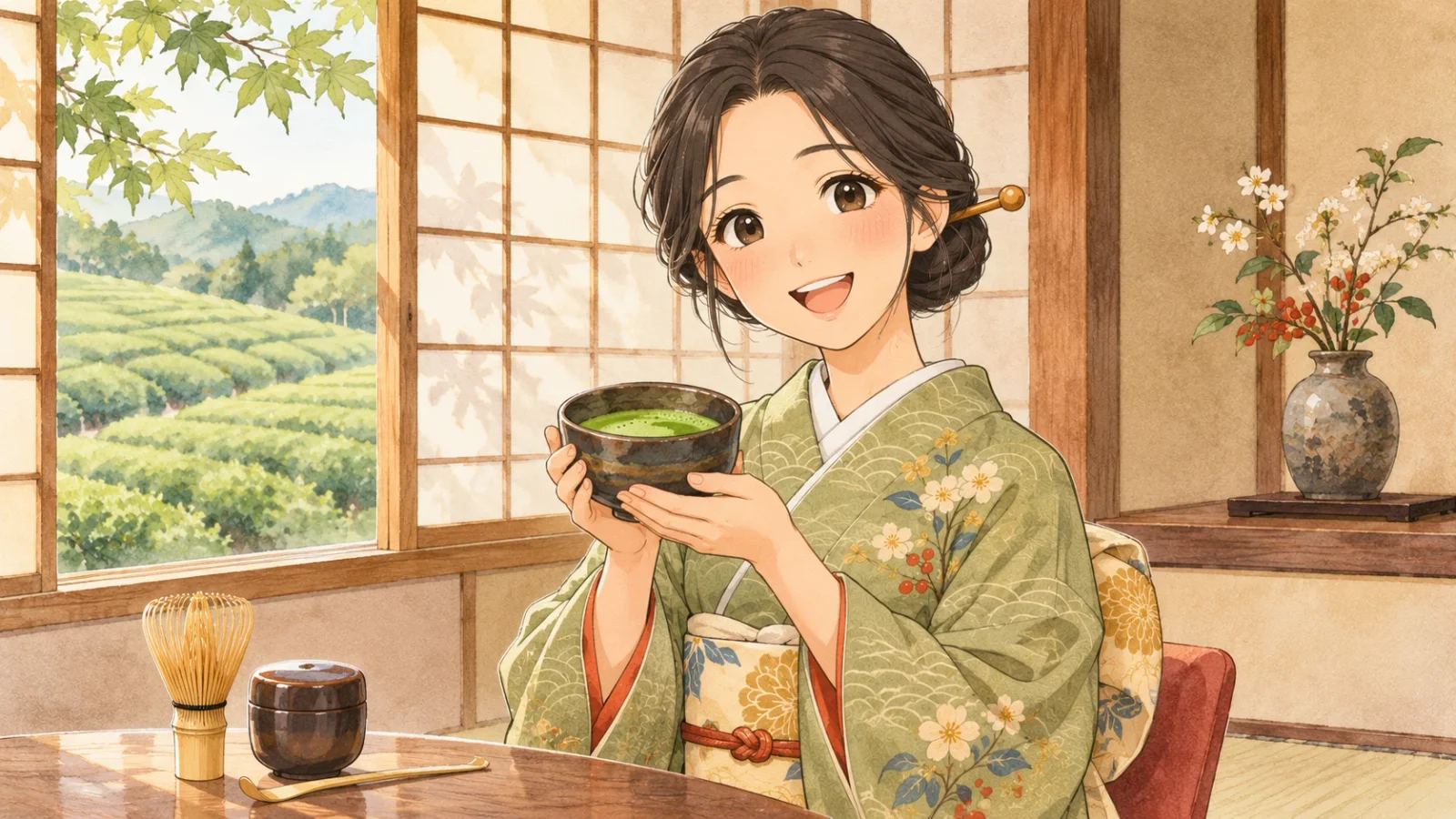
What Is Matcha? The Japanese Tea Ceremony Origins Explained
Matcha isn't just green tea powder. Here's how it's grown, why it's ground on stone, and how it became the heart of the Japanese tea ceremony.